


Ashwagandha
Ashwagandha is commonly used for stress support, relaxation, and sleep quality. Some people choose this herbal supplement as part of a wellness routine focused on calm mood and resilience.

Flexigenics has become a ray of hope for individuals who are suffering from joint discomfort. This extraordinary supplement utilizes the natural power of carefully chosen ingredients that work together to improve flexibility and mobility. Users have shared their positive experiences, with many noticing substantial improvements in their daily activities. They are now able to perform pain-free morning stretches and enjoy leisurely walks without experiencing any discomfort or pain. The key to Flexigenics' effectiveness lies in its synergistic blend, which includes potent anti-inflammatory compounds such as quercetin and palmitoylethanolamide. These ingredients work in harmony to provide relief and enhance joint function.
The success of Flexigenics can be attributed to its unique combination of ingredients that have been specifically chosen for their anti-inflammatory properties. Quercetin, a powerful antioxidant found in fruits and vegetables, has been shown to have anti-inflammatory effects on joint tissues. It helps reduce inflammation and pain, ultimately improving joint flexibility and mobility. Palmitoylethanolamide, on the other hand, is a natural fatty acid that has been found to have analgesic and anti-inflammatory properties. It works by inhibiting the release of pro-inflammatory molecules, thereby reducing inflammation and relieving joint discomfort.
Flexigenics' synergistic blend of quercetin and palmitoylethanolamide ensures maximum effectiveness in relieving joint discomfort. By combining these two potent anti-inflammatory compounds, Flexigenics targets inflammation from multiple angles, providing comprehensive relief for users. This unique formulation sets Flexigenics apart from other joint supplements in the market, making it a beacon of hope for individuals seeking long-term relief from joint discomfort.
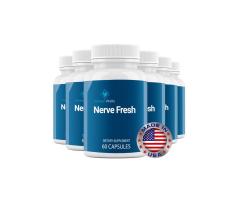
Made In USA GMP Certified FDA Approved 100% Natural If you are someone who has been struggling with the debilitating symptoms of neuropathy such as numbness, muscle fatigue, and burning sensations, then Nerve Fresh is the solution you have been waiti...
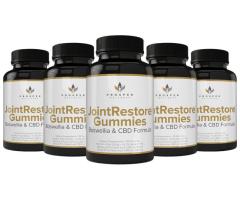
Made In USA GMP Certified FDA Approved 100% Natural Joint Restore Gummies are revolutionizing the field of joint health with their groundbreaking formula. These gummies are a game-changer when it comes to addressing joint discomfort and promot...

The Nutrition Hacks Joint Pain Hack is a revolutionary 3 phase formula that aims to provide relief from joint pain, rebuild damaged cartilage, and rehydrate the joints. This unique formula utilizes a combination of ingredients that were discussed in ...
Dietary supplements have become increasingly popular in recent years, as more people seek to improve their health and well-being. These supplements come in various forms, including pills, capsules, powders, drinks, and energy bars. While they can provide important vitamins, minerals, and other nutrients, it's important to note that supplements do not have to go through the same rigorous testing as prescription drugs.
Dietary supplements are designed to provide additional nutrients that may be lacking in one's diet, or to help reduce the risk of certain health issues such as diabetes, tinnitus, or arthritis. However, it is important to consider the price of dietary supplements before incorporating them into your daily routine. Prices can vary greatly depending on the brand, quality, and specific ingredients of the supplement.
Therefore, it's crucial to read trustworthy information about the supplement before taking it. This can include consulting with a healthcare professional, researching reputable sources online, and reading customer reviews. By doing so, individuals can make informed decisions about which dietary supplements are right for them and their unique health needs.

Supplements have become an important part of modern wellness routines for people who want to support energy, digestion, bones, immunity, heart health, and healthy aging. From multivitamins and probiotics to magnesium, collagen, fish oil, vitamin D, and protein powder, today’s supplement market offers many options for different health goals.
However, not all supplements work the same way for every person. The best choice depends on your diet, age, lifestyle, health needs, and possible nutrient deficiencies. That is why it is important to understand which supplements may offer real benefits and which ones require more careful consideration.
Many people take supplements to fill nutritional gaps that may be difficult to cover through food alone. Seniors, active adults, people with digestive concerns, vegans, vegetarians, pregnant women, and individuals with specific deficiencies may benefit from targeted nutritional support.
At the same time, supplements should not replace a balanced diet. Whole foods remain the foundation of good nutrition because they provide vitamins, minerals, fiber, antioxidants, and other natural compounds that work together inside the body.
Ashwagandha is commonly used for stress support, relaxation, and sleep quality. Some people choose this herbal supplement as part of a wellness routine focused on calm mood and resilience.
Calcium supplements may help support strong bones, especially for people who do not get enough calcium from food. They may be particularly important for postmenopausal women and older adults.
Collagen supplements are often used for skin elasticity, joint comfort, and healthy aging. Different collagen types may support different areas of the body, including skin, cartilage, and connective tissue.
Fish oil supplements provide omega-3 fatty acids, including DHA and EPA. These nutrients are often associated with heart, brain, and inflammation support.
Magnesium supplements are popular for muscle function, relaxation, migraine support, and general wellness. Magnesium glycinate is often preferred by people who want a gentler form.
Probiotics and prebiotics are supplements designed to support gut health. Prebiotics feed beneficial bacteria, while probiotics provide specific bacterial strains that may help balance the gut microbiome.
Protein powder can be useful for active adults, seniors, athletes, and people who struggle to get enough protein from meals. It supports muscle maintenance, recovery, and daily nutrition.
Vitamin D supports calcium absorption, bones, teeth, and immune health. Vitamin B12 is important for red blood cell formation, energy metabolism, and nervous system function.
The most effective supplements are usually chosen for a specific need, such as low vitamin D, low iron, poor fiber intake, or increased protein requirements.
Supplements can be helpful, but they are not a substitute for nutrient-rich meals. A diet with vegetables, fruits, whole grains, lean protein, nuts, seeds, and healthy fats remains essential.
Supplements can support better nutrition, healthy aging, digestion, bones, muscles, energy, and overall wellness when used correctly. The key is to choose the right supplement for the right reason and combine it with a healthy lifestyle.
Whether you are interested in magnesium, collagen, probiotics, fish oil, vitamin D, protein powder, or daily multivitamins, always focus on quality, safety, and your individual health needs.